Invisalign Therapy: Custom Treatment and Fitted Aligners
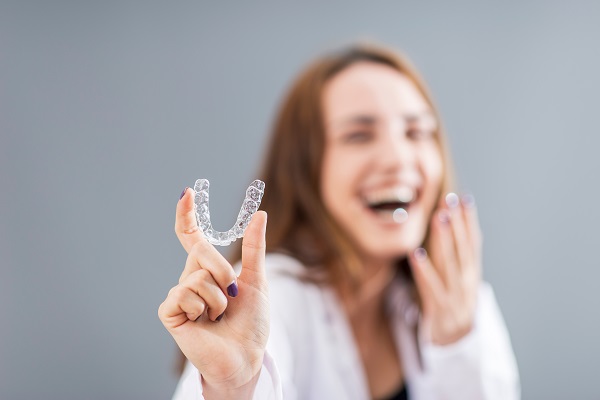
Invisalign® therapy is a type of treatment that a general dentist offers to individuals who have crooked, crowded, or gapped teeth. Each of these problems requires the attention of a dentist because they can lead to severe oral health problems. Additionally, after Invisalign® treatment, one's smile will greatly improve, thus resulting in better confidence and self-esteem.
When it comes to Invisalign® therapy, the treatment process is relatively straightforward and entirely customized to the patient's goals, needs, and desires. Continue reading to find out more about what is involved.
A quick guide to Invisalign® treatment
The following information highlights what is involved in Invisalign® therapy, including how the dentist customizes the entire treatment and aligners. Review this information when looking into different options.
Custom treatment
When Invisalign® therapy is chosen, there is a custom treatment plan that gets put into place at the start. The general dentist will first start by taking a variety of scans. These scans are done digitally with a special camera that captures all angles of the mouth. These scans are then sent to a dental lab. The lab will custom-create the Invisalign® pieces, whether they be for the bottom arch, top, or both. This part of the process can take a few weeks as the technology takes time to ensure that each aligner is precisely made to match the patient's teeth.
Fitted aligners
One of the beauties of Invisalign® is that the aligners are custom-fit. The way that the piece sits on the arch of the teeth is precise and tight enough to apply pressure to each tooth. The technology that lies behind Invisalign® ensures that as the teeth shift, the next aligner in the series will closely match that shift. This ensures maximum effectiveness from the aligners.
Other things to know
When it comes to Invisalign®, it is crucial to understand that the custom treatment plan and the perfect fit will produce the most effective results. However, aside from the actual technology, the treatment results lie in the patient's hands. Invisalign® has to be worn for 22 hours a day minimum to ensure that the teeth are actually being provided the proper amount of pressure. Of course, the aligners can be removed for oral hygiene and eating. But, immediately after these activities, it is important to place them back in the mouth. A lack of discipline with Invisalign® can result in longer treatment times or the need for more aligners to be printed.
Talk to a general dentist about Invisalign®
Invisalign® therapy can begin by first undergoing a consultation with a general dentist. The dentist can evaluate the teeth and determine what the plan of action should be. For example, some individuals require other forms of treatment first, then Invisalign®. In other cases, Invisalign® additions may be required, which are small pieces that apply a greater force to the teeth.
To learn more about Invisalign® and what is involved in the treatment process, reach out today. Additionally, we can get you scheduled for your appointment.
Request an appointment here: http://plainviewdental.com or call Plainview Dental at (516) 255-6716 for an appointment in our Plainview office.
Check out what others are saying about our dental services on Yelp: Invisalign in Plainview, NY.
Related Posts
Invisalign® is a new alignment procedure in the field of orthodontics. Compared to braces used since the 1800s, Invisalign has a lot of advantages. Its late development includes the use of later and more advanced technologies. Here is a quick discussion about Invisalign orthodontic treatments.The process of teeth alignment is more than an appearance issue.…
Chipping needs dental bonding so that the tooth can regain its proper structure. Trauma and decay are the most common causes of dental chipping. Both cause the tooth to weaken and break easily. Your dentist must use this treatment to correct the damage right away. Here are the details on using dental bonding to repair…
Dentists can restore the appearance of a patient’s smile with dental bonding. This tooth-colored resin also preserves the structure of a minorly damaged or decayed tooth. Dental bonding restores and strengthens the tooth and makes it more aesthetically appealing to the eye.Dental bonding is a composite resin material color-matched to each patient’s smile. This allows…
A restorative dentist can help transform dental health and restore confidence in your smile. These dental professionals address a variety of dental issues, from missing teeth to damaged enamel. The goal of restorative dentistry is to improve both the function and appearance of your teeth, allowing you to achieve better oral health and renew your…