FAQs About Porcelain Crowns Used in Cosmetic Dentistry
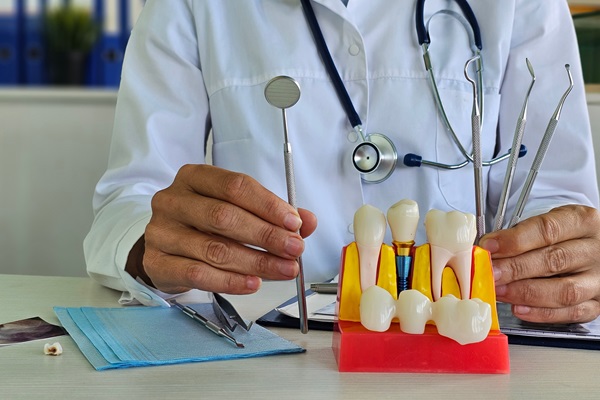
If you have significant tooth decay or you are missing part of a tooth, porcelain crowns may be a good option to discuss with your dentist. These crowns are a cosmetic dentistry procedure used to restore the shape, function, and color of teeth, and they can serve practical purposes as well as aesthetic ones. This guide will answer some of the most common questions about the procedure.
Porcelain crowns FAQs
If you are considering porcelain crowns or you are comparing them to other dental procedures, you likely have several concerns and questions about their material, placement, and durability. These are some of the most frequently asked questions about porcelain crowns.
1. What is a porcelain crown?
Porcelain crowns are hollow false teeth that are custom-made to fit over an existing tooth after that tooth has been shaped and trimmed. Once in place, the crown covers the tooth like a cap. You will not be able to remove it yourself after it is placed.
2. What are porcelain crowns used for?
Porcelain crowns may be used in cosmetic dentistry to cover a tooth that is misshapen or discolored. They are placed over teeth that are weak or ones that have incurred a significant amount of decay. When crowns are used cosmetically, such as on teeth that are visible to others, they help teeth look normal again in terms of color and construction.
3. What is the recovery time for the procedure?
The procedure is non-surgical and does not result in serious pain or discomfort. The appointment should only last for about an hour to an hour and a half, but it could be lengthier depending on how many crowns you are getting. Most patients can return to their normal daily routine immediately after getting their crowns.
4. How long do porcelain crowns last?
The average lifespan of porcelain crowns is about 15 years. Some may last longer than 20 years. The material used in porcelain crowns has a similar strength and hardness as natural tooth enamel. If you have an older porcelain crown or you wish to have one replaced, your dentist will be able to advise you on your next steps.
5. Do porcelain crowns require special care?
Porcelain crowns require the same type of maintenance as natural teeth. Brushing twice per day and flossing once per day is recommended. Additionally, patients should see a dentist once every six months.
The temporary crown you receive while you wait for your permanent crown is not as durable as a permanent crown. Your dentist may recommend that you avoid sticky, hard, or chewy foods, shift your chewing to the other side of your mouth, and be careful when flossing while you have your temporary crown.
6. How long does it take to get porcelain crowns?
The procedure requires two visits. During the first visit, the dentist prepares the tooth, makes an impression, matches the color of the crown to the natural teeth, and places a temporary crown. The permanent crown is placed about two weeks later. Your crown placement appointment can be scheduled on any day that works for you as there is no downtime after you receive it.
7. What kinds of crowns are there?
In addition to porcelain, dental crowns can be made from metal, porcelain-fused-to-metal, resin, or ceramic. Metal crowns last a long time, but many patients do not prefer the aesthetics of the metal color. These crowns are sometimes used for molars that are not visible when a person smiles.
Porcelain-fused-to-metal looks the most like natural teeth; however, the metal under the porcelain can sometimes show through as a dark line. Resin crowns are less expensive than the other types but are more prone to breaking and may wear down faster.
Crowns made entirely from ceramic or porcelain are often used in cosmetic dentistry because they provide an accurate color match with natural teeth. However, these crowns may not be as strong as porcelain-fused-to-metal.
Conclusion
Because they completely cover the natural tooth and look similar to natural teeth, porcelain crowns are a popular cosmetic dentistry treatment for improving the appearance of stained, misshapen, or filled teeth. Once in place, they closely resemble natural teeth and you should be able to eat and speak normally with them for many years.
Whether you are interested in fixing one weak tooth or factoring in the use of crowns for your whole-mouth reconstruction, porcelain crowns can serve several purposes and last for decades. Your dentist will be able to determine which procedure is correct for your teeth.
Request an appointment here: http://plainviewdental.com or call Plainview Dental at (516) 255-6716 for an appointment in our Plainview office.
Check out what others are saying about our services on Yelp: Porcelain Crowns in Plainview, NY.
Related Posts
You might think dentures are only for seniors, but it is possible to need them sooner. Tooth loss does not happen immediately, so you might not need dentures right away.But there are a few signs that suggest it may be time to invest in a new smile. Keep reading to learn more about these signs.If…
Gum disease, or periodontitis, is a potentially serious oral health condition that requires a visit to a dentist. Gum disease is very common and affects people of all ages but tends to affect individuals more as they age. A dentist can diagnose gum disease, as well as recommend practices and procedures to improve the condition.Gum…
Patients are always curious about the newest advances in dentistry. One of these recent advancements is digital X-rays, which many dentists now use. Patients may have some questions about this new technology so we will answer them here!Digital X-rays are dental imaging that helps diagnose problems with teeth, jaws, and other mouthparts. The images show…
In a dentistry practice, dentists may advise patients to care for teeth by paying close attention to after-meal habits. Dental hygiene practices that patients may want to adopt include swishing with water, sticking to low-sugar foods, and keeping a toothbrush and toothpaste nearby to maintain good oral health throughout the workday. Patients who are prone…