Dental Restoration: Restoring Strength, Function, and Beauty to Your Smile
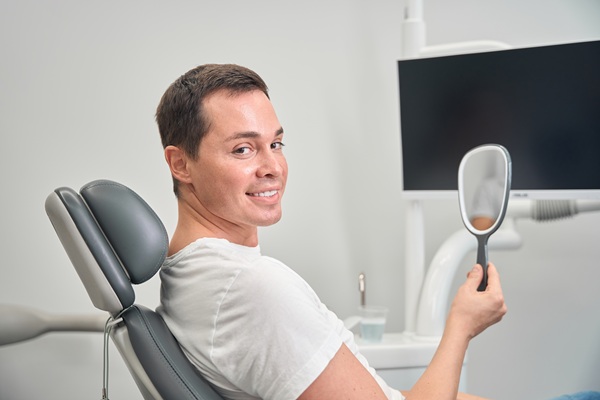
Dental restoration refers to treatments focused on repairing or replacing damaged teeth, restoring their strength and appearance. When teeth become damaged, decayed, or lost, it affects daily activities such as eating and speaking while also increasing the risk of further oral health issues. A healthy smile is more than just an aesthetic feature; it is crucial for overall well-being, functionality, and even confidence.
Understanding dental restoration and its importance
Dental restoration encompasses various treatments designed to restore the integrity of teeth compromised from decay, injury, or wear. By addressing these concerns, dental professionals help preserve the natural structure of the teeth while improving function. When damaged teeth are left untreated, the surrounding teeth and gums may also be affected, leading to more extensive issues over time.
Restorative treatments improve tooth strength and contribute to better oral hygiene. A compromised tooth often harbors bacteria in areas that are difficult to clean, increasing the risk of infections or further decay. Restoring the tooth's structure and function protects the surrounding tissues and teeth, ensuring a healthier mouth overall.
Types of dental restoration for strength and function
Various techniques are available to restore damaged teeth, each serving a specific purpose based on the extent of the damage. A suitable dental restoration can enhance durability and function if a tooth has minor decay or is completely missing. For example, dental fillings are reliable for teeth with cavities or minor structural damage. They reinforce the tooth by sealing areas weakened by decay, preventing further damage. Dentists commonly use composite fillings due to their natural appearance and ability to blend seamlessly with surrounding teeth.
For more extensive damage, dental crowns may be necessary to provide full coverage and protection. A crown encapsulates the affected tooth, restoring its original shape and strength. Dentists often recommend these restorations for teeth that have undergone root canal treatment, experienced severe fractures, or been structurally weakened due to decay.
When teeth are lost, dental bridges, dentures, and implants are viable solutions to restore function while maintaining alignment within the dental arch. A bridge is a fixed restoration that replaces missing teeth by anchoring to adjacent teeth, preventing shifting and bite misalignment. Dentures are for those missing most or all their teeth on one or both arches. They require a bonding adhesive that the patient will use daily to secure the appliance in place. On the other hand, dental implants provide a long-term solution by replacing both the root and crown of a missing tooth, preserving jawbone health and maintaining stability.
Benefits of dental restoration
While the primary goal of dental restoration is to restore function and strength, these treatments also provide aesthetic improvements. A healthy smile enhances confidence and allows individuals to interact more comfortably in social and professional settings. Modern restorative materials closely resemble natural tooth enamel, ensuring that restorations blend seamlessly with surrounding teeth.
Discoloration, uneven surfaces, or noticeable gaps resulting from missing teeth can make some people feel self-conscious about their smiles. With advancements in dental technology, restorations such as veneers, bonding, and crowns offer solutions that improve appearance while maintaining a natural look. By restoring the shape, size, and color of teeth, these treatments help achieve a balanced and visually appealing smile.
Beyond aesthetics and the psychological benefits of dental restoration, undergoing a procedure can also impact overall health. Oral health is closely linked to general well-being, as untreated dental issues can contribute to systemic concerns such as infections, cardiovascular disease, and poor nutrition. By restoring teeth to their optimal condition, individuals support their overall health while preventing complications that may arise from untreated dental problems.
Choosing the right dental restoration
Each person's oral health needs are unique, requiring a personalized approach to dental restoration. A thorough examination allows the dentist to assess the condition of teeth and determine the most appropriate treatment options. Factors such as the extent of damage, the location of affected teeth, and long-term goals are considered when developing a comprehensive restoration plan.
Dental materials and technology advancements have made restorative treatments more durable, comfortable, and natural-looking than ever before. Digital imaging, precise fabrication techniques, and biocompatible materials contribute to results that feel and function like natural teeth. With guidance from a dentist, individuals can explore treatment options that align with their needs while ensuring long-term success.
Restore your smile at Plainview Dental
Investing in dental restoration offers immediate and lasting benefits, improving a smile's strength, function, and aesthetics. Addressing the aforementioned concerns can enhance your ability to chew, speak, and maintain proper oral hygiene. If you are ready to restore your smile, contact Plainview Dental today and schedule a consultation.
Request an appointment here: https://plainviewdental.com or call Plainview Dental at (516) 255-6716 for an appointment in our Plainview office.
Check out what others are saying about our dental services on Yelp: Dental Restorations in Plainview, NY.
Related Posts
Dental restoration can fail. Seeing your dentist right away can help correct the situation if it happens. Your restorations may need replacements already. Routine dental visits allow your dentist to check your restorations and schedule the next appointment for the re-treatment. If you want to know what happens when dental restorations fail, here are the…
A restorative dentist can help transform dental health and restore confidence in your smile. These dental professionals address a variety of dental issues, from missing teeth to damaged enamel. The goal of restorative dentistry is to improve both the function and appearance of your teeth, allowing you to achieve better oral health and renew your…
A smile makeover can enhance natural beauty, boost confidence, and bring out the best in each smile. The process differs depending on which aspects of the smile a patient would like to improve. The one thing all smile makeovers have in common is that they involve using cosmetic dentistry to enhance the look of the…
A smile makeover is something to show off and be proud of, as restorative procedures are designed to improve the form and function of the smile. Some people may have repairs done for purely aesthetic purposes and to create a whiter, brighter, and more uniform smile. Others may choose treatments that give them beautiful teeth…