Broken Tooth: Salvageable or Unsalvageable?
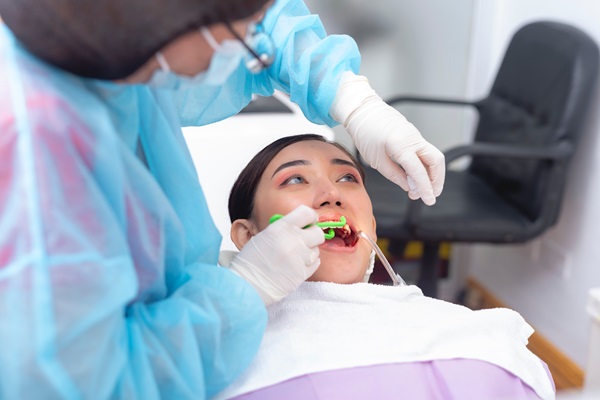
A broken tooth is a common dental issue that can happen for many reasons, such as accidents, biting into something hard, or untreated tooth decay. Whether a dentist can save a broken tooth or needs to remove it depends on how severe the damage is and how quickly patients seek treatment. While modern dental techniques can repair simple cases of damaged teeth, tooth extraction may be necessary in severe cases. Understanding what makes a tooth salvageable can help patients take the right steps to protect their oral health and smile.
Types of broken teeth
Not all broken teeth are the same. Some breaks may only affect the outer layer of the tooth, called the enamel, while others can go deeper into the dentin or even the soft tissue inside the tooth, known as the pulp. According to Delta Dental, dentists separate a broken tooth into one of five categories:
1. Craze lines
Craze lines are tiny cracks that only affect the outer enamel layer of the tooth. These lines are usually shallow and do not cause pain or structural issues. While they are often a cosmetic concern, they do not require treatment unless their appearance is bothersome.
2. Fractured cusp
A fractured cusp occurs when part of the chewing surface of a tooth breaks off, often around a dental filling. This type of damage does not typically affect the inner pulp of the tooth, so it is less likely to cause significant pain.
3. Cracked tooth
A cracked tooth features a deeper split that starts on the chewing surface and may extend toward the root. Depending on the crack's size and location, it may cause sensitivity or pain when biting. Prompt treatment is essential to prevent the crack from spreading further.
4. Split tooth
A split tooth is a more severe version of a cracked tooth. The damage extends completely through the tooth, often splitting the tooth into distinct segments. While some portions of the tooth may be saved, extraction is sometimes necessary. A dentist will evaluate the situation and recommend the best course of action.
5. Vertical root fracture
Vertical root fractures begin at the root and move toward the chewing surface. These fractures are often difficult to detect until they cause symptoms such as pain or swelling around the gumline.
Each type of tooth damage varies in severity and treatment options. Seeing a dentist quickly after noticing a problem can significantly increase the chances of saving and repairing a damaged tooth. Dentists can evaluate the specific type of damage and recommend the most effective treatment to restore oral health.
Broken tooth: salvageable or unsalvageable
Whether it is possible to save a broken tooth or use an extraction depends on the severity and location of the damage. A tooth is salvageable if enough healthy structure remains to support a dental restoration, and the damage does not compromise its stability or the surrounding tissues. Salvageable teeth often include those with minor chips, fractures limited to the enamel or dentin, or cracks that have not reached the root. Treatment options for these cases may include dental bonding, veneers, crowns, or root canal therapy, depending on the extent of the injury. Prompt care can often prevent further damage and save the tooth.
Alternatively, a tooth may become unsalvageable when the damage is too severe to repair or when its stability cannot be restored. Examples include vertical root fractures, breaks that extend below the gum line, or extensive decay that leaves insufficient healthy structure for a dental restoration. Additionally, if an infection spreads to the surrounding bone or tissues and cannot be controlled, the tooth may need to be removed to protect overall oral health.
If a tooth is deemed unsalvageable, the dentist will discuss replacement options, such as dental implants, bridges, or partial dentures, to restore function and appearance. Acting quickly after a tooth injury increases the chances of saving it, so prompt dental care is always recommended.
Act quick after receiving a broken tooth
Patients can preserve their oral health and avoid further complications by addressing a broken tooth right away and taking steps to protect teeth from injury. Replacement options can restore both the function and appearance of unsalvageable teeth. Visiting a dentist as soon as possible after a tooth breaks is the best way to determine the right course of action and ensure the health and beauty of the smile. Fortunately, Plainview Dental is here to help. Contact our office to schedule an appointment today.
Request an appointment here: http://plainviewdental.com or call Plainview Dental at (516) 255-6716 for an appointment in our Plainview office.
Check out what others are saying about our services on Yelp: Broken Tooth in Plainview, NY.
Related Posts
Chipping needs dental bonding so that the tooth can regain its proper structure. Trauma and decay are the most common causes of dental chipping. Both cause the tooth to weaken and break easily. Your dentist must use this treatment to correct the damage right away. Here are the details on using dental bonding to repair…
Dentists can restore the appearance of a patient’s smile with dental bonding. This tooth-colored resin also preserves the structure of a minorly damaged or decayed tooth. Dental bonding restores and strengthens the tooth and makes it more aesthetically appealing to the eye.Dental bonding is a composite resin material color-matched to each patient’s smile. This allows…
A restorative dentist can help transform dental health and restore confidence in your smile. These dental professionals address a variety of dental issues, from missing teeth to damaged enamel. The goal of restorative dentistry is to improve both the function and appearance of your teeth, allowing you to achieve better oral health and renew your…
Dental bonding utilizes resin compounds to create a new tooth surface, potentially covering blemishes and other imperfections. However, bonding can be used for more than just hiding stains. Many dentists use it for a wide range of issues due to its many benefits, including its simplicity, adaptability, and price accessibility for most patients.Dental bonding has…