A General Dentist Can Use Bonding to Repair Teeth
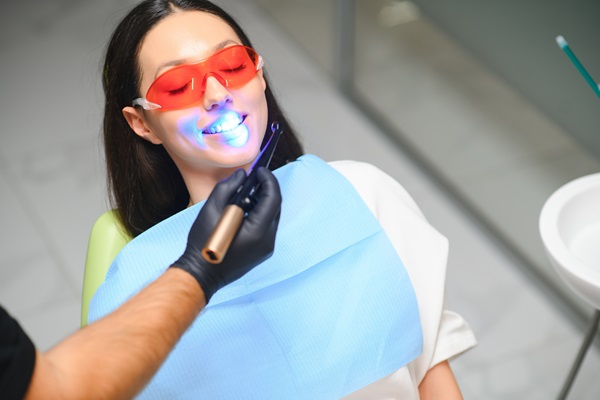
General dentists use bonding to help repair damaged teeth. What is bonding, and how is it used to repair teeth? Keep reading for an overview of what bonding is and why it is used as a treatment method.
This type of procedure is very useful for many different dental issues. Your dentist will be able to provide you with options for your specific situation, and tooth bonding may come up as one of the options more times than you may think.
What is tooth bonding?
In dentistry, bonding is a procedure in which a resin material is applied to the teeth to help repair the tooth. The resin, composed of a sort of plastic material, is hardened using a special light. The final result is the special material that has been bound to the tooth, thus helping restore the tooth and the patient's smile.
When is tooth bonding necessary?
Dental bonding may be used in several different situations, whether to improve the patient's smile or restore the tooth. Common uses for bonding include:
- Reparation of decayed teeth
- Reparation of cracked or chipped teeth
- Adjust the shape of the teeth, possibly to look longer
- Close gaps between teeth
- Protect areas of the tooth root exposed by gum recession
Teeth bonding is a relatively simple and inexpensive cosmetic dental procedure. The process can typically be completed in a single office visit providing there is only one tooth involved. This procedure does not remove as much of the tooth's enamel as other procedures, which is the natural protector of the tooth.
What to expect from the teeth bonding process?
Since teeth bonding is relatively simple, there is very little preparation necessary before the procedure. Anesthesia is usually not needed, but in cases where the bonding material is filling a decayed tooth, it may be needed if the tooth will need to be drilled.
The bonding process itself starts with the dentist roughing the tooth's surface. They will then apply a conditioning liquid, which helps the material attach to the tooth. The resin, which is colored to mimic the rest of the teeth, is applied and shaped to achieve the desired appearance.
The material will be given time to harden; then, the dentist will continue shaping the material and finish off with a polish. The process can take between thirty to sixty minutes to complete for each tooth.
Aftercare for bonded teeth
Dental bonding usually needs to be replaced roughly every five to ten years, although it does vary from case to case. Ensuring you take proper care of your teeth will help lengthen the lifespan of the bonded tooth.
As normal, you should be brushing at least twice per day and flossing once per day. Avoid hard foods and candies and habits such as biting your nails, which can chip or break the bonding materials.
Coffee, tea, and tobacco can stain the material, so you should avoid consuming or using these products for at least the first two days following the procedure.
It is important to see a general dentist on a routine schedule for upkeep and care of your teeth, including your dental bonding. If you notice any rough or sharp edges after the procedure, reach out to your dentist, and they will help smoothen or fix the issue.
Your dentist can help
Your general dentist is the best person to ask when you have questions or concerns about your dental health. They know your oral history best and can provide you with alternatives and options to any oral issue you may be having.
It is also good to call your dental insurance carrier and ask how much any procedure, such as tooth bonding, will cost you. In most cases, this is seen as preventative care, and you should be able to have the procedure with little cost to you. However, every insurance policy is different depending on your specific contract.
Feel free to ask your dental office to help you provide the dental carrier with the most specific facts and terminology so you can get the most reliable answer on pricing.
Remember to see your dentist regularly and take their advice when they recommend any type of dental treatment to you. You want to keep your teeth healthy and your smile inviting for all those around you. Don't put off dental treatment. You will benefit in the long run.
Request an appointment here: http://plainviewdental.com or call Plainview Dental at (516) 255-6716 for an appointment in our Plainview office.
Check out what others are saying about our dental services on Yelp: Dental Bonding in Plainview, NY.
Related Posts
Smile imperfections can dampen the way you see yourself. Fortunately, there are various to improve or correct them. One of the most common is dental bonding. This smile restorative can enhance smiles and their function in as little as one appointment.Dental bonding is a cosmetic procedure that uses tooth-colored composite resin to form the shape…
Dental bonding is one of the treatment options available for individuals seeking to improve their smile. A report by the American Dental Association found that almost 33% of young adults avoid smiling due to the condition of their teeth. This statistic shows the effect of dental aesthetics on one’s social life and self-esteem. This article…
Your dentist can suggest dental bonding to correct minor flaws in your teeth. These problems may be minor, but they can worsen over time. Treating them in a non-invasive way can help make your smile look healthy again. Here are the details on how dental bonding can give you your smile back.Dental bonding is a…
Dental bonding can restore and reshape the appearance of a tooth. This composite resin material is tooth-colored and blends in naturally with the rest of the smile. Better yet, it can even last for years when cared for properly. Get the most out of dental bonding by following these tips to help it last.Dental bonding…