Are Mini Dental Implants a Good Alternative to Traditional Implants?
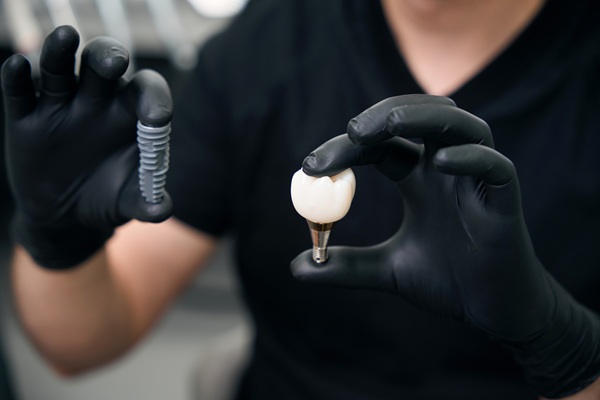
Mini dental implants offer a functional, less invasive option for those seeking to replace missing teeth but who lack the bone density required for traditional titanium posts. These slender devices provide a reliable way to anchor restorations without the extensive surgical requirements of traditional implants. Understanding the differences in size and applications helps patients make informed decisions about their options for restoring oral aesthetics and function.
Understanding the structural differences
A standard dental implant typically measures 3.5 to 6 millimeters in diameter to provide maximum stability for heavy-duty chewing. In contrast, the mini version typically measures less than three millimeters, making the post significantly thinner and easier to install in narrow spaces. This smaller profile allows for a more versatile range of placement options, particularly in the lower jaw, where bone is often thinner. The design frequently consists of a single solid piece with a ball-shaped head that remains above the gumline to secure the prosthetic. In the end, the simplified structure of mini dental implants means fewer parts are likely to loosen or break over time.
Bone density as a deciding factor
Traditional implants require a substantial amount of healthy jawbone to ensure the titanium post integrates successfully with the body. When a tooth remains missing for several years, the jawbone naturally begins to resorb, often making conventional surgery difficult without a bone graft. Mini dental implants, on the other hand, are an excellent alternative because they require much less bone volume to serve as a successful anchor. This allows those with significant bone loss to receive a permanent restoration without the added cost and recovery time of a grafting procedure, making it accessible to a wider range of patients.
The mini dental implant procedure
The installation of a standard implant involves a multi-stage surgical process that often spans several months to allow for full healing. In comparison, the placement of mini dental implants is far less strenuous and often happens in a single office visit. The technique typically requires only a small pilot hole rather than a large incision, which reduces the amount of bleeding and swelling afterward. The dentist then places the tiny post and attaches the replacement tooth onto the implant. Due to its minimally invasive nature, most patients return to their normal activities within 24 to 48 hours after the procedure.
What to expect during recovery
Considering the mini dental implant procedure is less invasive, it is often a safer choice for patients with underlying health concerns that might complicate a larger surgery. The local anesthesia used during the procedure ensures the patient remains comfortable yet alert while the dentist precisely positions the posts. Once the posts are in place, the final restoration can often be attached immediately, providing instant results. This immediate loading capability means the patient does not have to spend weeks or months waiting for a functional tooth.
Long-term durability of mini dental implants
While the benefits of a faster procedure are clear, the choice between traditional and mini dental implants also depends on the mechanical demands of the mouth. Standard implants are generally superior for replacing heavy-duty molars because their larger surface area provides a stronger bond with the bone. Conversely, mini dental implants are excellent for stabilization and for replacing smaller teeth in the front of the mouth, where chewing forces are lighter. The dentist evaluates the biting forces and the location of the missing tooth to ensure the chosen device can handle the pressure. Matching the implant type to the specific mechanical needs of the mouth ensures the results last for many years.
Those with bruxism (teeth clenching and grinding) may require the added strength of a traditional post to prevent the implant from failing over time. A thorough evaluation of the bite and the alignment of the teeth helps the dentist decide which option offers the most predictability. While mini dental implants are durable, they are most suitable when they are not the sole source of support for high-impact chewing. Long-term success is the result of a balanced treatment plan that considers both the convenience of the surgery and the durability of the final restoration.
Schedule a consultation
Traditional and mini dental implants offer significant benefits for those seeking to restore a full, functional smile. While the traditional route is often the gold standard for single-tooth replacement in high-pressure areas, the mini version offers a vital alternative for those with limited bone density. Are you interested in learning which option is most suitable for you? For more information or to schedule a consultation, contact Plainview Dental today.
Request an appointment here: https://plainviewdental.com or call Plainview Dental at (516) 255-6716 for an appointment in our Plainview office.
Check out what others are saying about our dental services on Yelp: Dental Implants in Plainview, NY.
Related Posts
Dental implants offer more than just cosmetic benefits. They restore oral function, improving speech and chewing efficiency while preserving jawbone structure. These long-lasting solutions provide stability and durability, making them a preferred choice for patients who want to replace one or more missing teeth.Missing teeth can impact speech clarity. Gaps between the teeth may lead…
Dental implants provide a durable and natural-looking solution for missing teeth. This popular teeth replacement option can last many years with proper care, improving the function and appearance of your smile. Practices like following a good oral hygiene routine, adopting healthy lifestyle habits, and scheduling regular follow-ups can all help contribute to the overall longevity…
Not only does replacing missing teeth restore the smile’s appearance, but it also enhances oral health and helps preserve the jawbone. Dental implants are a reliable, durable solution for patients who require multiple tooth replacements, as they provide stability and a natural look and feel. There is more than one implant option available, with each…
Dental implants often beat out other tooth replacements due to their natural appearance and durability. Although getting them can be a lengthy process, many patients find it a worthwhile one. Proper preparation can contribute to a smooth experience and optimal results. Understanding each phase of the process, making necessary lifestyle adjustments, and following professional recommendations…